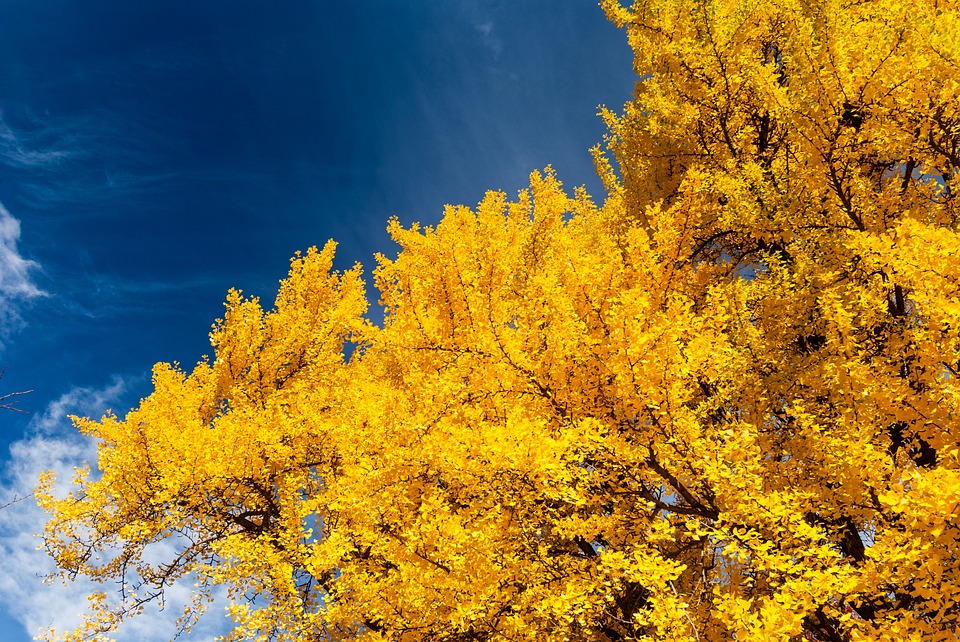
If you think fall is only about jumping in a pile of leaves and sipping cups of warm apple cider, it’s time to rethink. Fall is the best time to ensure a thick and healthy lawn come spring, meaning you need to act now to jumpstart your progress. Here are our tips for Boston’s best fall lawn care tips.
1. Get Rid of Those Leaves
Yes, an enormous pile of colorful autumn leaves might be fun to jump in, but they aren’t good for your lawn – or your allergies. Large piles of leaves block light and trap moisture, harboring dangerous diseases and pests underneath. These piles can serve as a breeding ground for rodents and insects, compressing your fragile grass blades. Additionally, it’ll be harder to get your grass growing once the leaves have decomposed.
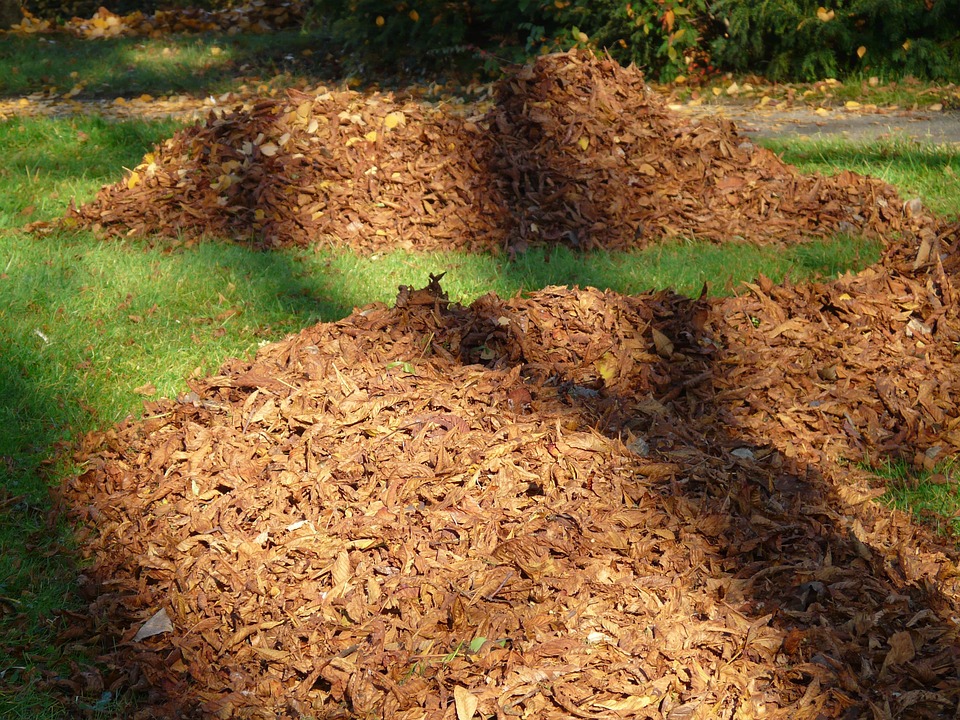 While a few leaves in small pieces are good for your lawn (acting as a superb natural fertilizer) too many can spell disaster. Decaying leaves can grow mold making you sick. Blow or rake your leaves when they are still falling, doing so as often as you can. Rake the corners where leaves tend to pile up or consider using a mulching attachment on your mower to grind them into tiny pieces.
2. Mow at the Correct Height
Just because the temperatures have cooled, doesn’t mean it’s time to store that mower just yet. You can mow until the first hard frost. It will halt the blades’ growth; however, you need to cut at a proper height. Leaving grass too long will cause it to mat up and be vulnerable to fungi and disease, like snow mold. Keeping your grass too short will affect its root system and make it more challenging to handle winter’s cold and dry conditions. Instead, mow at about a two to three-inch height every week or so until the first freeze.
3. Keep Watering
Do so sparingly, with an eye on current levels of natural precipitation. Early fall can be just as hot as midsummer, meaning you need to keep up on your irrigation. There tends to be more rain and dew (with less evaporation) this time of the year, but it may still not be enough to keep your lawn going. By Halloween, you can let up on watering. That will also be a good time to disconnect hoses and flush irrigation systems, so you don’t have to worry about frozen or busted pipes.
4. Aerate Your Soil
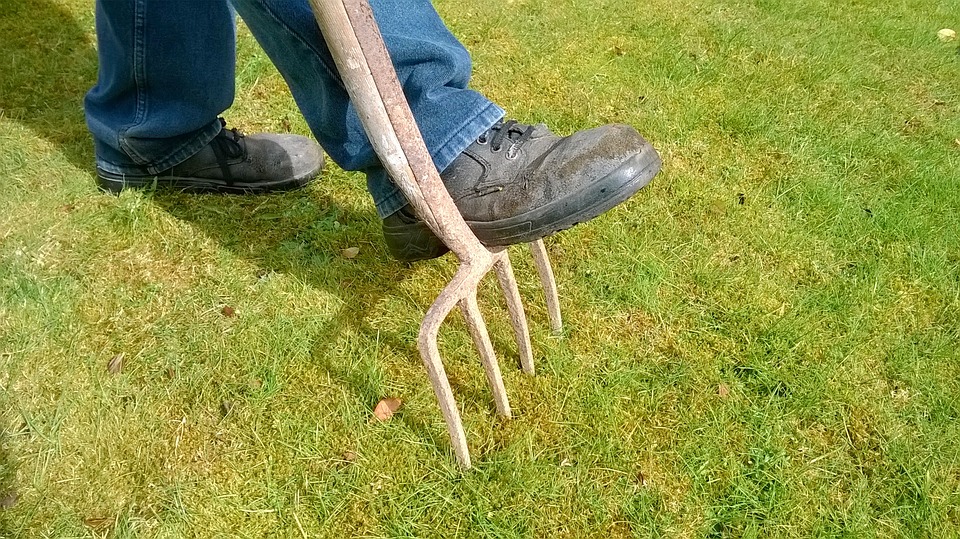 Aerating isn’t necessary every year, but is a great habit to get into every couple of years. It will help prevent the land from becoming compacted and will also loosen up thatch. Thatch is a thick layer of roots and debris that blocks oxygen and water from reaching the soil. You can rent aerators at a local farm and garden center. The aeration process creates holes in the ground so that nutrients and water can leach through to your grass’ roots.
5. Fertilize
Fall is an excellent time to fertilize your lawn, but only if you are growing a cold-season grass type (which is most common in Boston). Warm-season grasses will go dormant in the winter, making fertilizing in the fall a disaster as it will encourage growth just before the blades need to rest. Instead, fertilize cold-season grasses only. Potassium is especially important at this time of the year since it will help promote cold resistance and harbor against diseases.
6. Overseed
Overseeding serves several purposes in the summer, helping to protect against weeds and to fill in bald spots. It will also allow you to introduce resilient grasses that may be tougher than the blends you already had planted. Fall is a good time to overseed because the ground is warm and damper than in the summer months. You don’t have to worry about hot sun rays halting the progress of your seedlings. Make sure you keep the seeds moist until they germinate, and overseed long before the first anticipated freeze.
7. Plan for Next Year
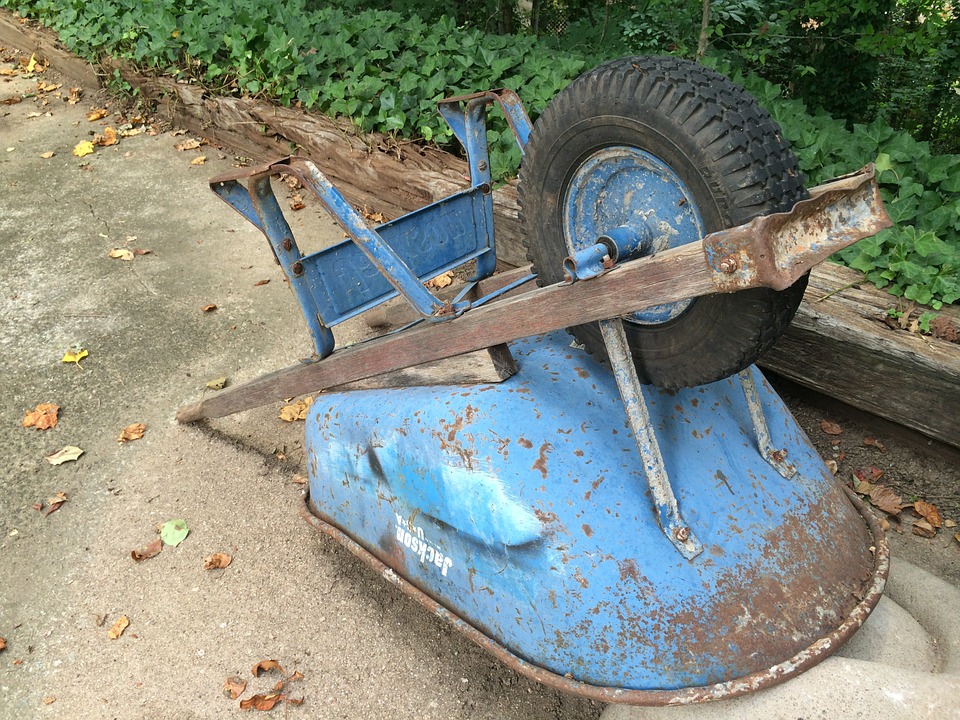 Fall lawn care includes checking off any tasks that you neglected all summer, such as sharpening the blades on your mower and cleaning your gardening utensils. After your last mowing, be sure to empty the gas from your mower to prevent rusting. It’s smart also to be making a plan for next year, including when you will begin to mow again and planning for other tasks, like spring fertilizing and overseeding.
Need help tending to your lawn? Visit our Boston lawn care page for more info!