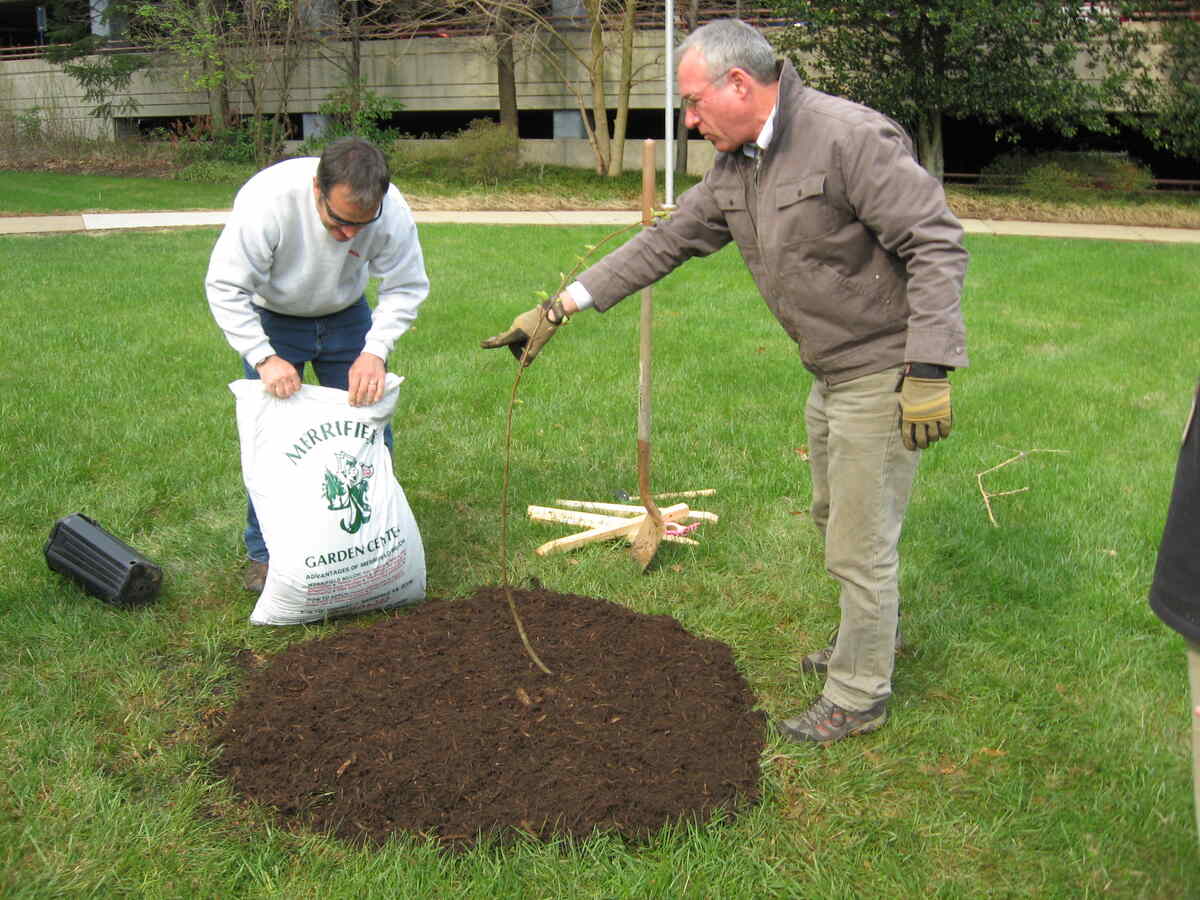
Perfect mulching starts with the right amount of material. Instead of eyeballing your order and ending up with lots of unused bags or, worse, running short, find out exactly how much mulch you need.
Use our mulch calculator or do the math yourself and multiply the square footage with the mulch depth to learn how many cubic feet you need. We take you through all the steps for both methods.
Why a Proper Mulch Calculator Matters
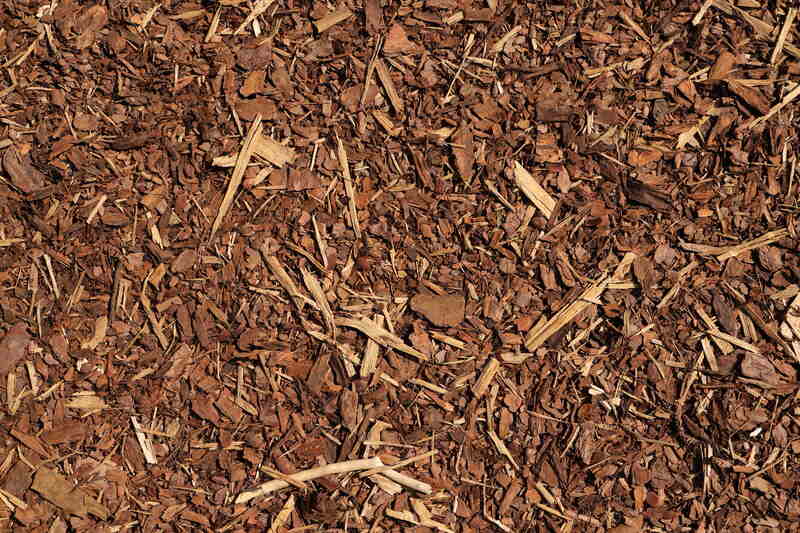
It always starts with a simple question, ”How much mulch do I need?” and can continue with headaches and frustration if you do the math by hand or a few seconds of typing if you use a mulch calculator.
A good mulch calculator saves you time and money. It quickly calculates how much mulch you need and prevents you from overbuying or buying too little and making additional trips to the store.
For example, let’s say you wonder, “How much rubber mulch do I need for my pathway?” which is a rectangular area of 6 feet x 2 feet you’ll cover with a 1.5-inch layer of mulch.
To find your answer with the mulch calculator below, follow these simple steps:
- Step 1: In the “Select Shape” section, select “Rectangular.”
- Step 2: Add 6 in the “Length” box and 2 in the “Width” box.
- Step 3: Select “Custom” in “Mulch Depth,” and add 1.5 in the box below.
- Step 4: Choose the “Type of Mulch” (e.g., “Wood Chips”).
- Step 5: Select the “Price Unit” and add the price per unit in the “Mulch Price” section. If you buy bags, add the bag size (e.g., 1.5 cu. ft.) and the price per bag (e.g., $2).
- Step 6: Click “Calculate.”
- Step 7: Print the results and take them with you.
Mulch Calculator
Quick Mulching Tips
DON’T
- ❌ Pile mulch against tree trunks. This can cause bark rot and invite pests.
- ❌ Pile mulch against your house foundation
- ❌ Till carbon-rich mulch (e.g. sawdust) into the soil, it can tie up nitrogen.
DO
- ✓ Remove weeds before applying mulch
- ✓ Keep mulch 2-3 inches away from plant stems and 3-4 inches away from tree trunks
- ✓ Refresh mulch when it starts to decompose, usually annually.
Results for ${selectedMulch.name}
Material Needed:
| Volume (cubic feet): | ${document.getElementById('mc-cubic-feet').textContent} |
| Volume (cubic yards): | ${document.getElementById('mc-cubic-yards').textContent} |
| Weight (tons): | ${document.getElementById('mc-tons').textContent} |
| Bags needed: | ${document.getElementById('mc-bags').textContent} (${document.getElementById('mc-bag-size').textContent} cu ft) |
Work Information:
| Wheelbarrow loads: | ${document.getElementById('mc-wheelbarrow').textContent} |
| Total weight: | ${document.getElementById('mc-total-weight').textContent} lbs |
| Durability: | ${document.getElementById('mc-durability').textContent} |
Estimated Cost:
$${document.getElementById('mc-total-price').textContent}
Quick Mulching Tips
DON'T
- ❌ Pile mulch against tree trunks. This can cause bark rot and invite pests.
- ❌ Pile mulch against your house foundation
- ❌ Till carbon-rich mulch (e.g. sawdust) into the soil, it can tie up nitrogen.
DO
- ✓ Remove weeds before applying mulch
- ✓ Keep mulch 2-3 inches away from plant stems and 3-4 inches away from tree trunks
- ✓ Refresh mulch when it starts to decompose, usually annually.